SEARCH
As electric vehicle adoption accelerates, charging infrastructure is moving toward higher power output, faster charging speeds, and more compact equipment designs. In particular, DC fast-charging stations and commercial charging cabinets integrate power conversion modules, rectifiers, transformers, and control electronics within limited enclosure space, creating concentrated heat during extended charging cycles.
Cooling fan motors play an important role in managing these thermal loads by driving airflow through heat sinks, ventilation channels, and power modules. By maintaining effective air circulation, they help reduce heat accumulation, support stable charging performance, and protect temperature-sensitive electronic components from excessive thermal stress.
For EV charging equipment manufacturers, selecting a suitable fan motor is therefore not simply a matter of achieving sufficient airflow. The motor must also meet requirements for continuous operation, installation space, energy efficiency, noise control, and environmental durability.
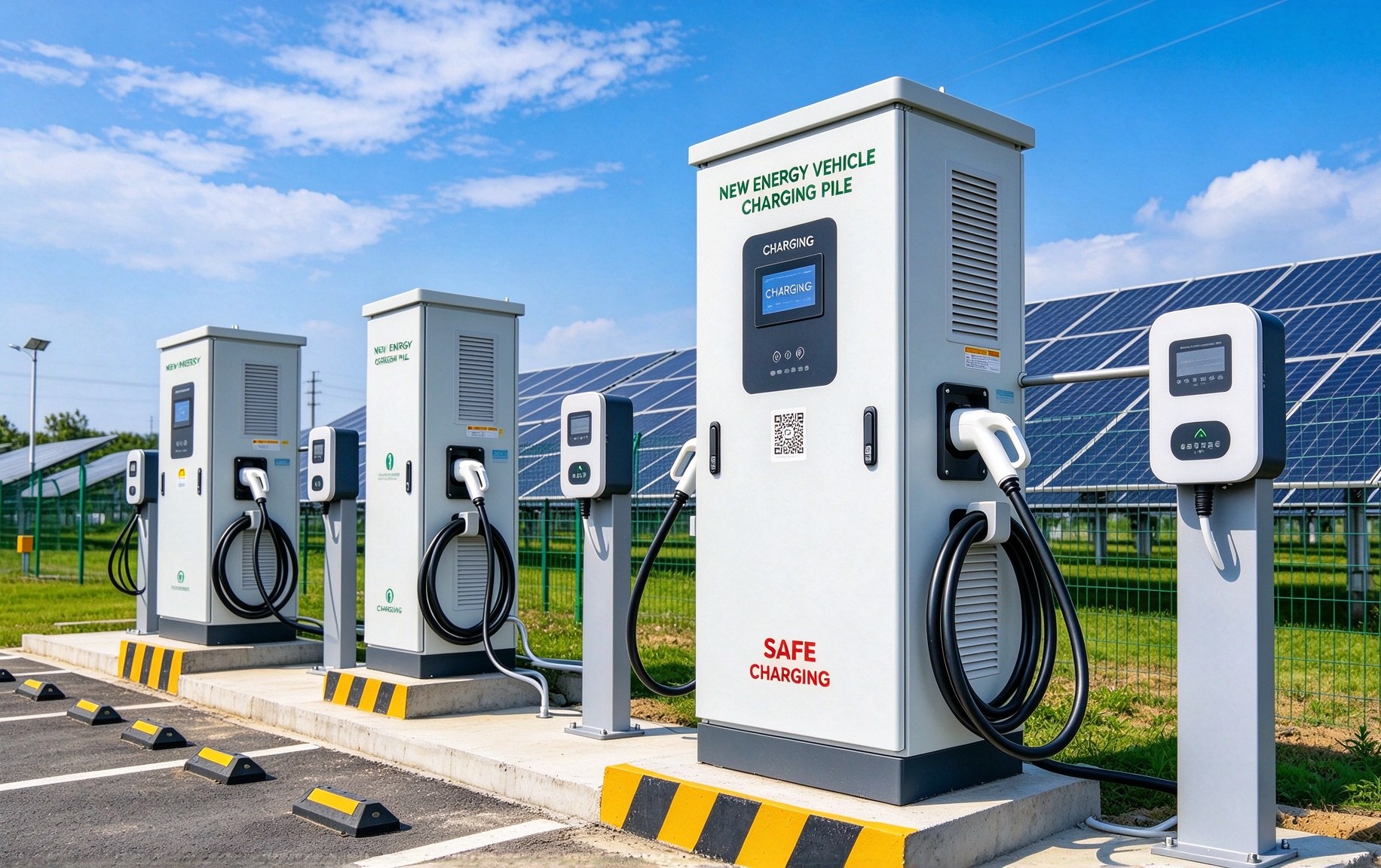
Continuous operation: The motor must support extended operating cycles while maintaining stable performance.
Limited installation space: Compact charging cabinets require efficient airflow within restricted spaces.
Outdoor environments: Dust, moisture, and temperature fluctuations can affect motor reliability.
Performance balance: Cooling capacity, noise, and power consumption must be properly balanced.
BG Motor can help charging equipment developers evaluate suitable motor configurations according to their application requirements.
Condition 1: Continuous operation requirements
Select a motor suitable for the required duty cycle, with attention to temperature rise, operating stability, and service life under the expected load.
Condition 2: Limited installation space
Evaluate compact motor dimensions, mounting methods, and fan configurations to improve airflow distribution within the charging cabinet.
Condition 3: Different voltage and speed requirements
Match the motor's rated voltage and speed to the equipment's electrical system and cooling demand. Where variable-speed operation is required, verify compatibility with the drive and control system.
Condition 4: Outdoor operating environments
Assess the required protection level, insulation, and material compatibility according to the actual exposure to dust, moisture, and temperature variations.
Condition 5: Noise and energy efficiency
Evaluate the motor and fan as a complete assembly, balancing airflow, static pressure, noise, and auxiliary power consumption to achieve effective cooling without unnecessary energy use.
Condition 6: Customized installation requirements
Discuss customization options such as shaft dimensions, mounting structure, lead wires, connectors, and other mechanical or electrical specifications according to the selected motor platform.
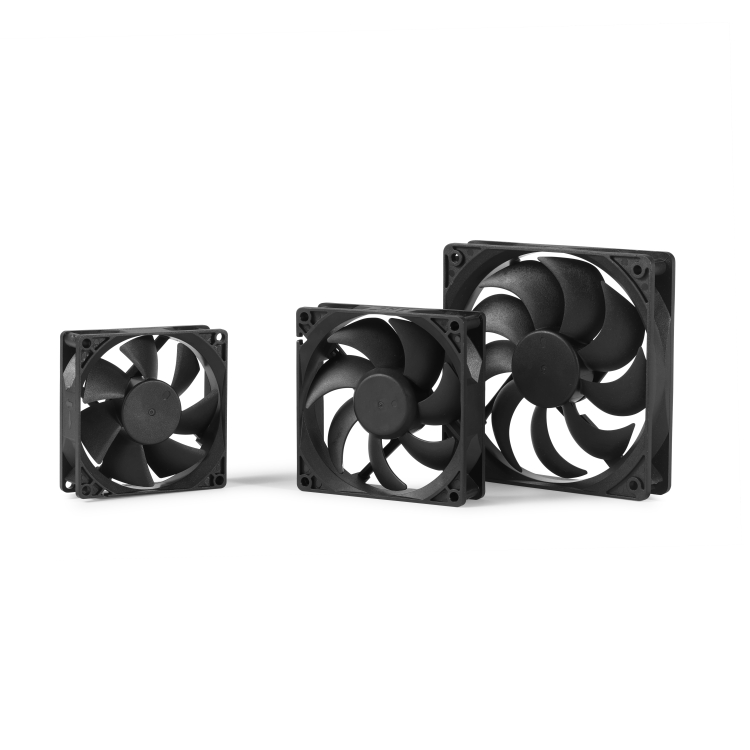
Technical consultation: Review voltage, speed, installation space, and cooling requirements to identify suitable motor configurations.
Customization support: Discuss feasible adjustments to electrical and mechanical specifications for equipment integration.
Sample testing: Support preliminary evaluation of operating stability, temperature rise, noise, vibration, and compatibility.
Ongoing technical assistance: Help investigate performance or integration issues and recommend adjustments based on test results and operating conditions.
BG Motor aims to provide practical motor solutions that help EV charging equipment developers improve thermal management, operational reliability, and overall system efficiency.
 BACK
BG Motor insisting on producing the best quality motors for our customers.