In modern industrial applications, motor lifespan, long service life, and reliable motor performance are critical factors for equipment manufacturers who require continuous operation, stable torque output, low vibration, and reduced maintenance cost, which means that professional motor manufacturers must focus on comprehensive motor structural optimization rather than simple power increase in order to achieve true long-life motor solutions.
Extending motor service life depends on systematic optimization of the magnetic circuit structure, heat dissipation structure, rotor structure, gearbox structure, bearing support structure, and insulation system, all of which directly influence motor temperature rise, vibration level, torque stability, and mechanical durability.
Magnetic Circuit Structural Optimization for Long Motor Lifespan
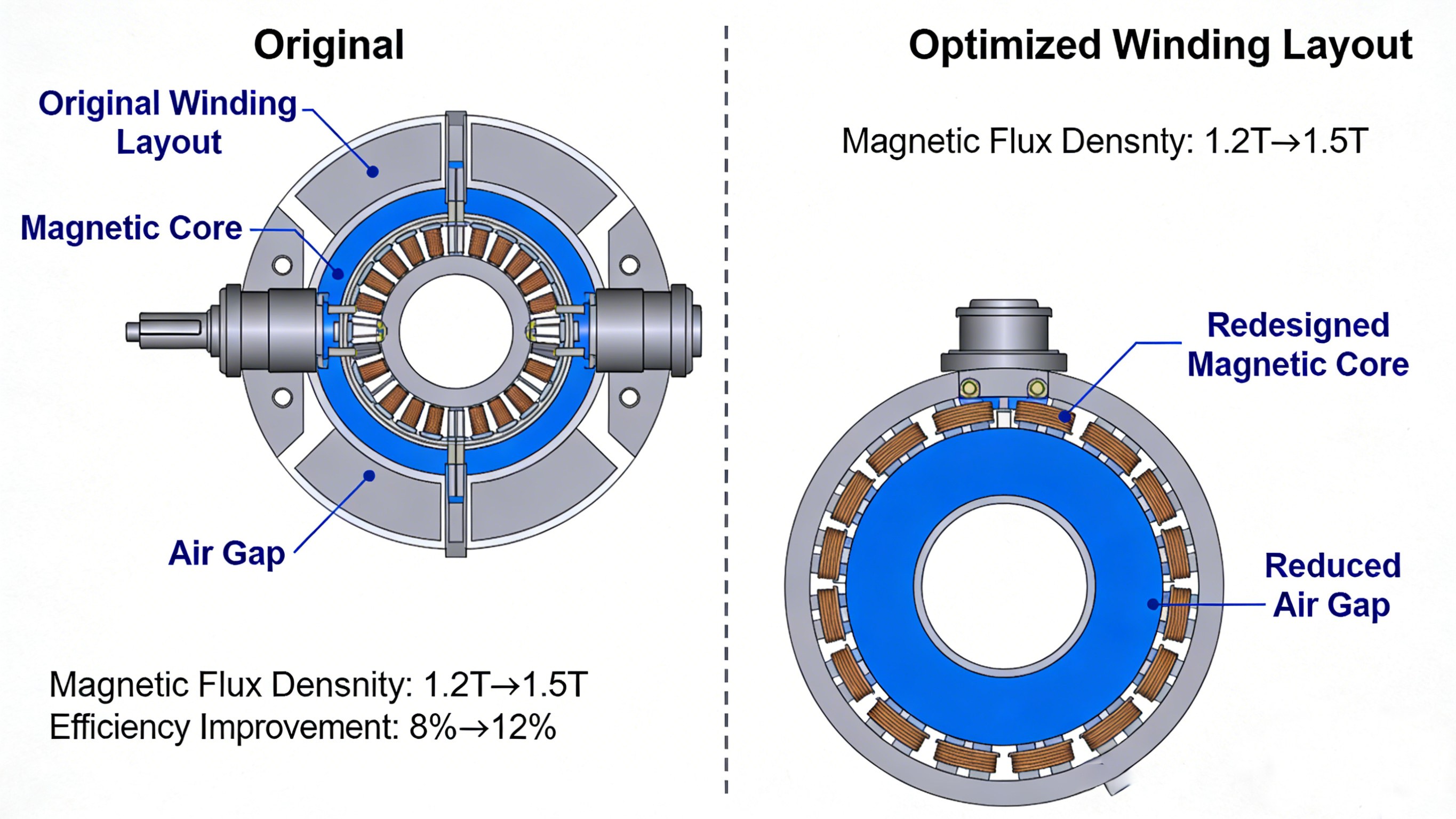
The foundation of a long-life motor begins with optimized magnetic circuit design, because magnetic loss directly affects motor temperature rise and insulation aging; by improving magnetic flux distribution, reducing eddy current loss, selecting high-grade silicon steel laminations, and optimizing stator slot structure, manufacturers can significantly improve motor efficiency while reducing internal heat generation.
Lower magnetic loss leads to lower temperature rise, which protects motor winding insulation and ensures stable torque output, thereby extending overall motor service life and improving long-term operational reliability.
Heat Dissipation Structure to Reduce Motor Temperature Rise
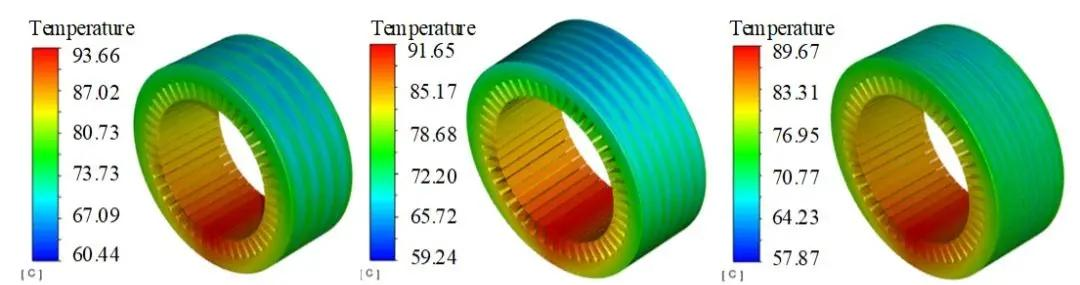
Motor temperature rise is the primary factor limiting motor lifespan, and effective motor heat dissipation design must be integrated into the structural layout through enlarged ventilation channels, optimized airflow paths, aluminum housing with high thermal conductivity, and improved internal heat transfer efficiency.
By optimizing the motor cooling structure, manufacturers reduce insulation aging speed, prevent bearing overheating, and maintain stable motor performance under continuous duty conditions, which significantly enhances long service life motor performance.
Rotor Structure and Dynamic Balance for Low Vibration Motor Operation
A precision rotor structure is essential for achieving a low vibration motor with extended mechanical durability; through CNC precision machining, strict concentricity control, reinforced shaft rigidity, and high-accuracy dynamic balancing, motor manufacturers minimize mechanical deviation and micro-vibration that would otherwise accelerate bearing wear and structural fatigue.
Reduced vibration not only improves motor stability and noise performance but also extends bearing life and ensures consistent torque transmission, which directly contributes to a longer motor operational lifespan.
Gearbox Structural Optimization for Long-Life Gear Motors
For gear motors, especially in conveyor systems and automation equipment, gearbox durability directly determines total motor lifespan, and structural optimization includes hardened steel gears, optimized gear tooth profiles, precision planetary gear alignment, improved lubrication pathways, and enhanced load distribution design.
These gearbox structural improvements increase torque capacity, reduce gear wear, improve transmission efficiency, and ensure stable low-speed high-torque output, resulting in a durable long-life gear motor solution suitable for continuous industrial applications.
Bearing Support Structure for Enhanced Motor Durability
Bearing failure is one of the most common causes of reduced motor lifespan, and by upgrading bearing precision, optimizing axial and radial load distribution, strengthening shaft support, and improving lubrication retention, manufacturers significantly reduce friction, mechanical stress, and heat accumulation.
A reinforced bearing support structure ensures smooth rotation, stable motor speed, lower temperature rise, and improved mechanical durability, which together extend overall motor service life.
Insulation System and Material Optimization for Long Service Life
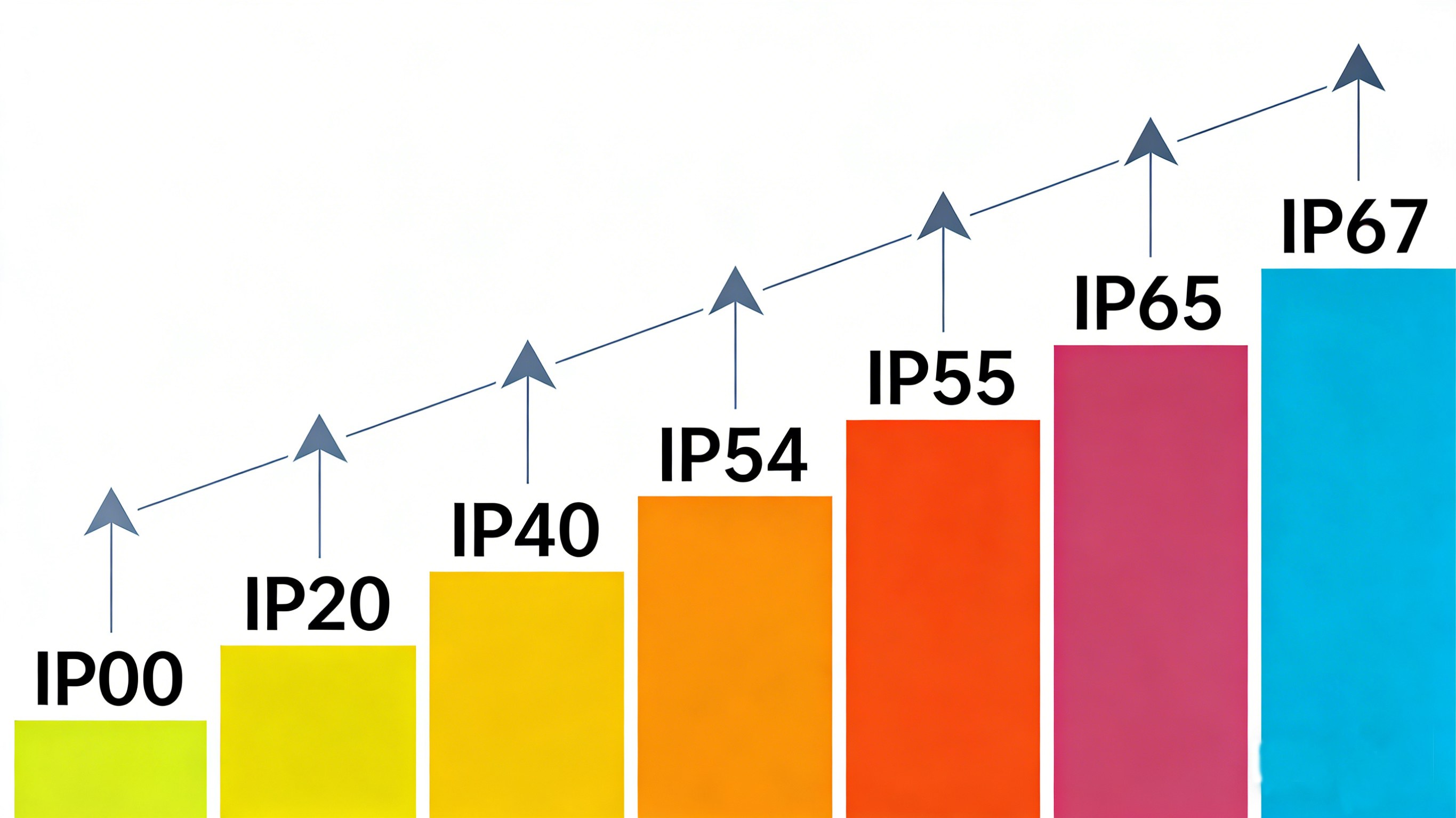
The insulation system is directly related to long motor lifespan, and structural optimization includes high-temperature resistant copper winding, upgraded insulation class (Class B or F), improved slot insulation structure, and corrosion-resistant coatings to enhance environmental resistance.
By improving insulation performance and material quality, the motor withstands high temperature, humidity, dust, and long-term operational stress, ensuring stable electromagnetic performance and prolonged winding life.
Conclusion: Structural Optimization Determines Motor Lifespan
Achieving a true long service life motor is the result of integrated motor structural optimization, including magnetic circuit optimization, heat dissipation design, rotor precision control, gearbox reinforcement, bearing support improvement, and insulation system upgrade.
When these structural elements are engineered together, the motor delivers lower temperature rise, reduced vibration, stable torque output, higher efficiency, and extended mechanical durability, enabling equipment manufacturers to reduce downtime, lower maintenance cost, and improve system reliability.
Through continuous innovation in motor structure design and long-life motor engineering, professional motor manufacturers can provide high-performance, durable motor solutions that meet the demanding requirements of modern industrial applications.


 BACK
BACK