SEARCH
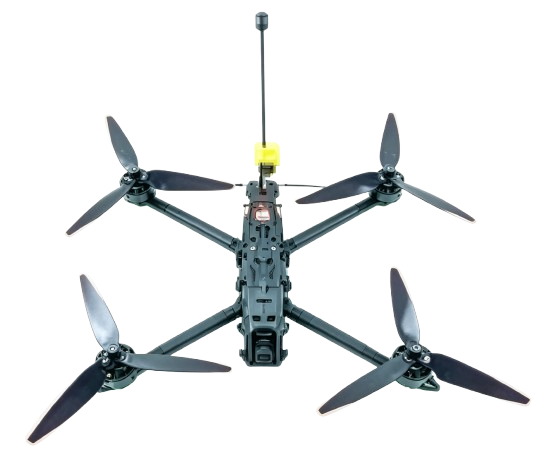
Agricultural and industrial UAVs are fundamentally different from ordinary FPV drones because they are designed to carry real working payloads and operate continuously rather than perform short periods of high-speed flight. In agricultural spraying applications, for example, the UAV needs to carry the battery, spraying system, and liquid payload while maintaining stable flight throughout the operation, which places much higher requirements on the propulsion system.
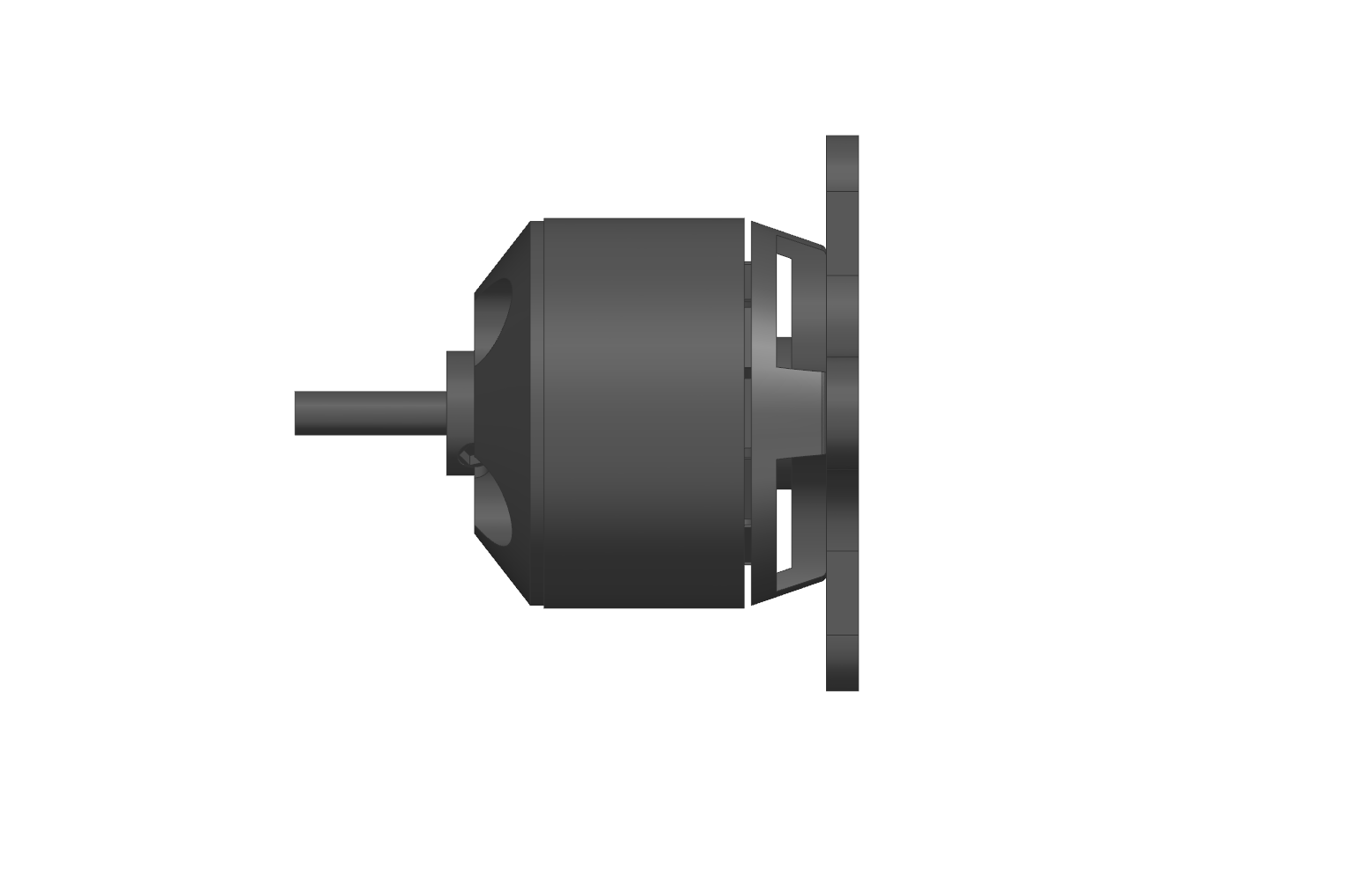
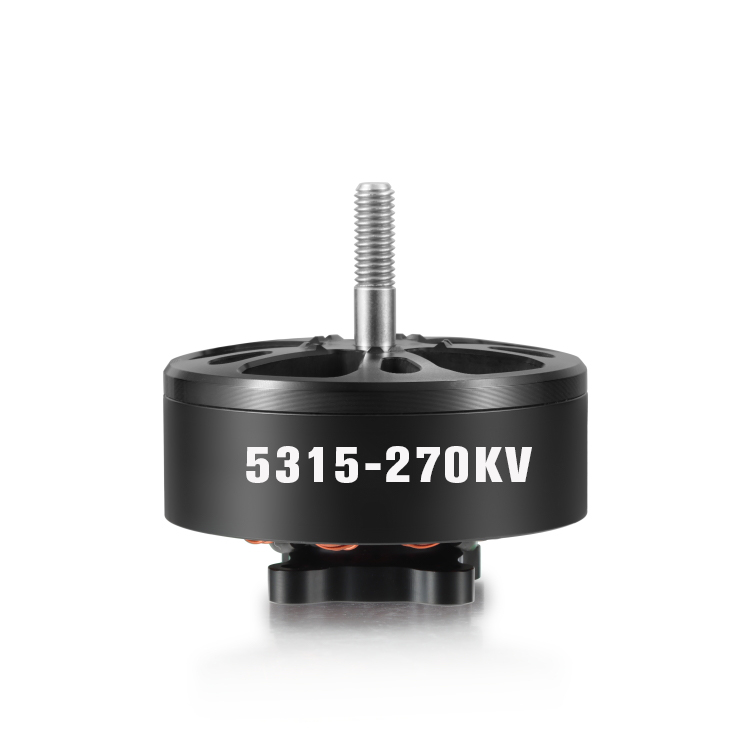
Based on this application requirement, BG Motor developed the 5315 brushless motor series, with 270KV and 430KV options, designed for UAV propulsion systems using 15-inch propellers, supporting 8S and 12S battery systems and a load of up to 8.5 kg.

A 15-inch propeller places a higher load on the motor than the smaller propellers commonly used on FPV drones, so the motor needs to provide sufficient torque while maintaining stable operation. If the motor and propeller are not properly matched, the system may experience excessive current, increased temperature, reduced efficiency, or unstable operation during long periods of flight.
For an agricultural UAV, the motor therefore needs to be evaluated together with the propeller size, KV, operating voltage, ESC, and required thrust rather than being selected according to a single parameter.
Agricultural spraying is a continuous working process rather than a short flight, which means the propulsion system needs to maintain stable performance for an extended period. In addition to thrust, you need to pay attention to motor temperature, current, vibration, noise, and overall operating stability because these factors can directly affect the reliability of the UAV during actual field operations.
The total weight, battery configuration, ESC, propeller, number of motors, and required flight time can vary significantly between UAV platforms, so the same motor configuration may not provide the same result on every aircraft.
For this reason, the practical solution is to start from the complete UAV application and determine the motor configuration according to the actual operating conditions.
The 5315 series is designed for larger UAV propulsion systems that require a combination of large propeller support, sufficient torque, and stable continuous operation.
The main configuration is:
Motor: 5315 brushless motor
KV: 270KV / 430KV
Battery: 8S / 12S
Recommended propeller: 15-inch
Load: up to 8.5 kg
The 5315 is designed around the requirements of larger UAV propulsion systems using 15-inch propellers. Because a larger propeller requires greater torque, the motor configuration needs to be selected according to the actual propeller load rather than simply pursuing a higher rotational speed.
For your UAV project, BG Motor can evaluate the relationship between motor KV, battery voltage, propeller, current, power, thrust, and motor temperature, helping you determine whether the selected motor configuration is suitable for the complete propulsion system.
The 5315 is available in both 270KV and 430KV versions, giving you different options for matching the motor with your battery and propeller system.
The 270KV version provides a lower-speed configuration and can be evaluated for applications using larger propellers where sufficient torque and stable propulsion are important, particularly when the UAV needs to carry a working payload for an extended period.
The 430KV version provides a higher-speed option and can be considered when the UAV's propeller, battery voltage, ESC, and required operating speed call for a higher-KV configuration.
The final KV selection should be confirmed according to the actual propeller, battery, aircraft weight, and required thrust rather than choosing a KV value independently.
For an agricultural UAV, the actual operating weight may include the aircraft frame, battery, spraying equipment, liquid payload, and other equipment, so the propulsion system needs to be designed according to the complete aircraft weight.
BG Motor can use the following process to support motor selection:
UAV total weight → required total thrust → required thrust per motor → propeller selection → 270KV/430KV selection → 8S/12S voltage matching → current, power, temperature and thrust testing.
This approach allows the motor to be evaluated as part of the complete propulsion system instead of being treated as an independent component.
Because agricultural UAVs normally require longer operating periods, the motor should be tested under actual or simulated working conditions rather than being evaluated only by its peak performance.
During the development and testing stage, the key parameters can include thrust, current, power, rotational speed, temperature, vibration, noise, and long-term operating stability.
BG Motor provides motor test reports and performance curves to help you evaluate motor performance during the development process. According to the company information, BG Motor's product pass rate is more than 99.99%.
If the standard 5315 configuration does not fully match your UAV design, BG Motor can provide customized motor solutions according to your application requirements, including adjustments to the KV specification, motor dimensions, shaft diameter and length, mounting holes, and installation requirements.
BG Motor has power, structural, and mechanical engineers and uses engineering tools including ANSYS, JMAG, Motor-CAD, and EasiMotor for motor design and analysis.
This means you can provide your UAV's actual design and operating requirements, and the engineering team can participate in the motor selection and customization process rather than simply supplying a standard motor.
After you provide the UAV weight, number of motors, battery specification, propeller model, ESC, target flight time, and required thrust, BG Motor can assist with the motor configuration and application analysis.
BG Motor can provide relevant motor test reports and performance curves so that you can evaluate the motor during prototype development and propulsion-system testing.
If you experience excessive temperature, insufficient thrust, abnormal current, excessive vibration, abnormal noise, or unstable operation during testing, you can provide the relevant test data to BG Motor so that the engineering team can assist with technical analysis.
If the initial motor configuration does not provide the expected results, BG Motor can work with you to review the relationship between KV, voltage, propeller, motor structure, and mounting requirements, and then optimize the motor configuration according to the actual test results.
 BACK
BACK

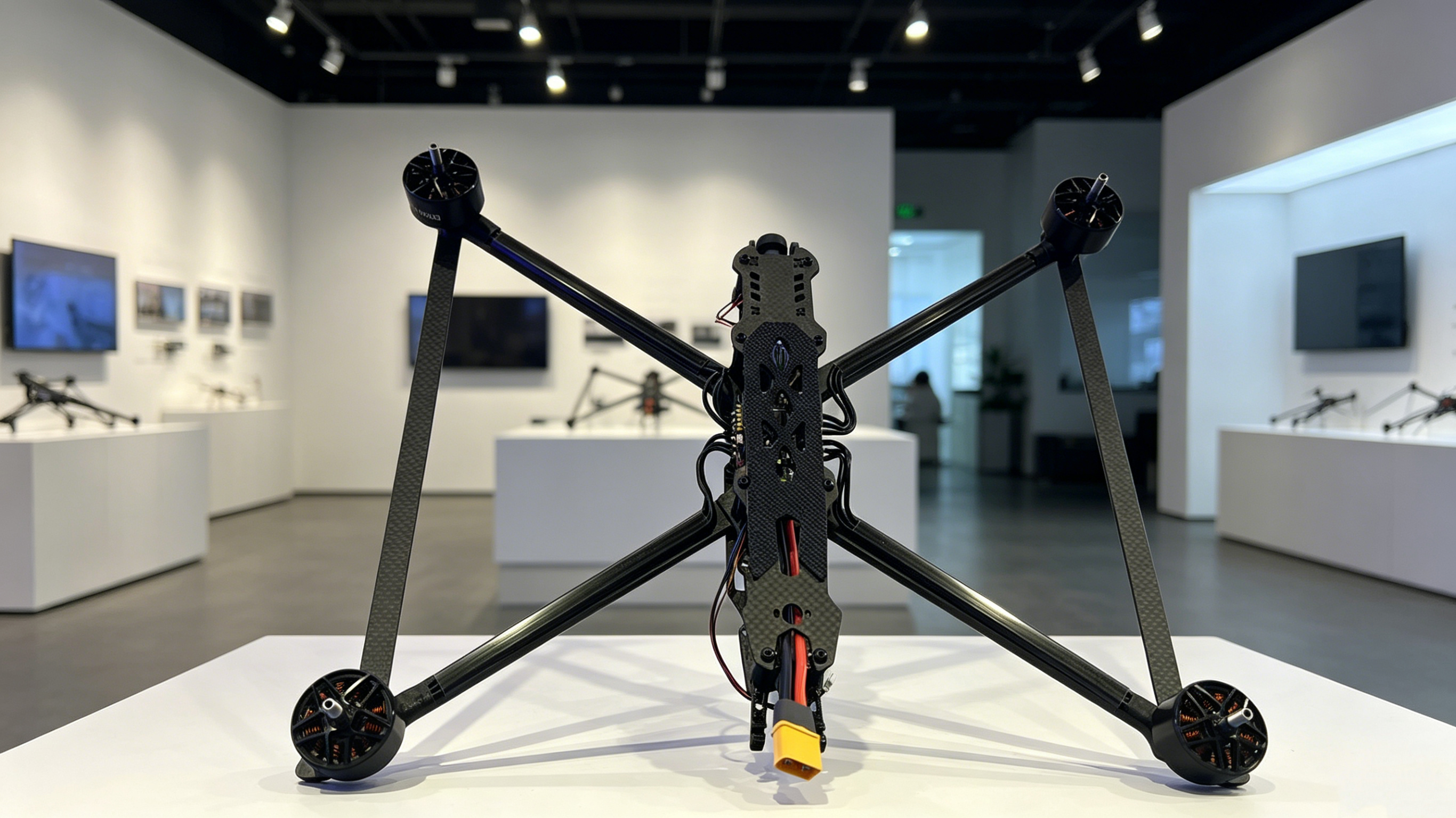
BG Motor insisting on producing the best quality motors for our customers.