SEARCH
High-performance drone motors engineered for FPV racing, freestyle, and professional aerial platforms.
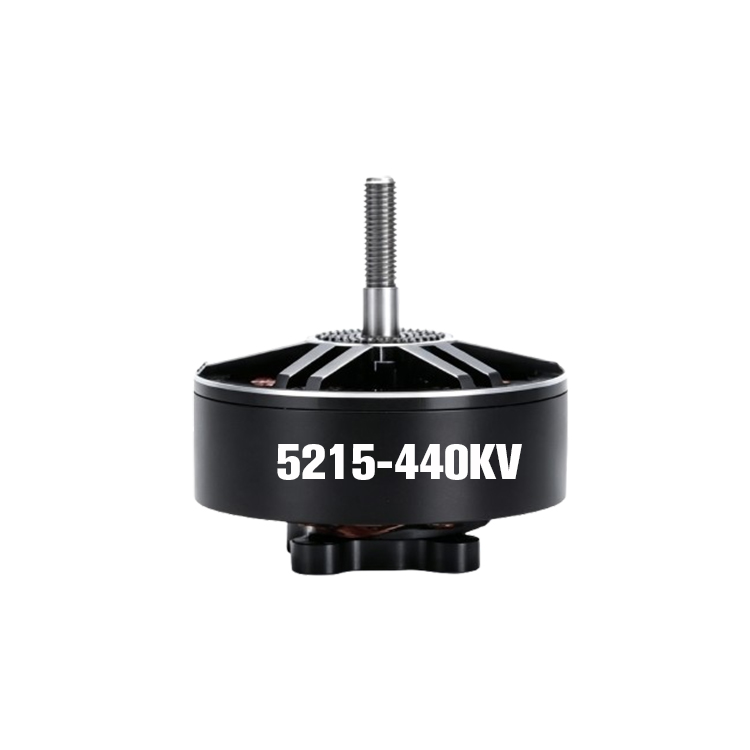
The BGS F5215 8S-450KV outrunner brushless motor is tailored for 13-inch freestyle FPV drones. With strong torque and steady power performance, it perfectly pairs with 8S batteries and 13-inch propellers to deliver smooth flight control and reliable power for freestyle stunts and aerial filming.
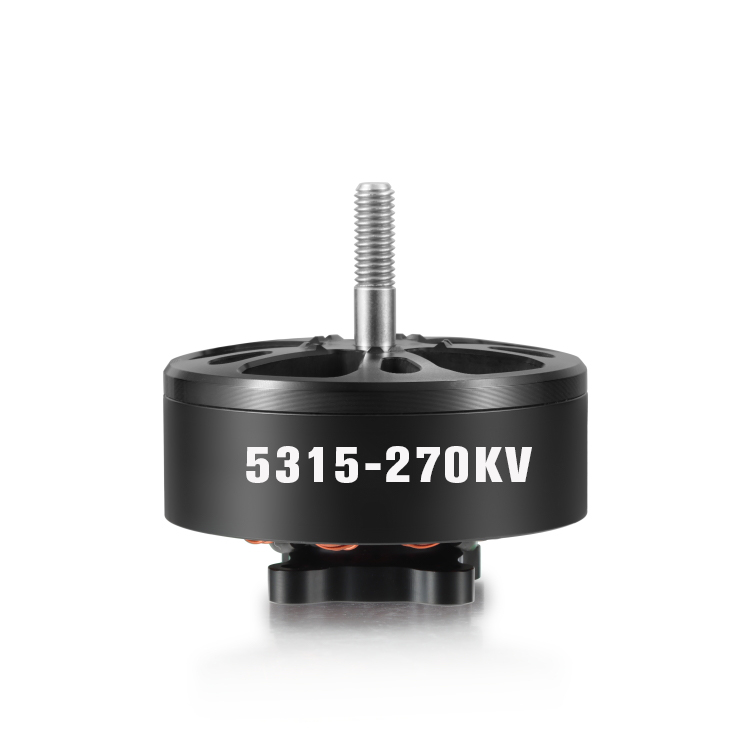
With a stator diameter of about 50 mm, these motors provide extremely high torque, strong thrust, and excellent efficiency, making them ideal for large industrial drones and agricultural UAV applications.
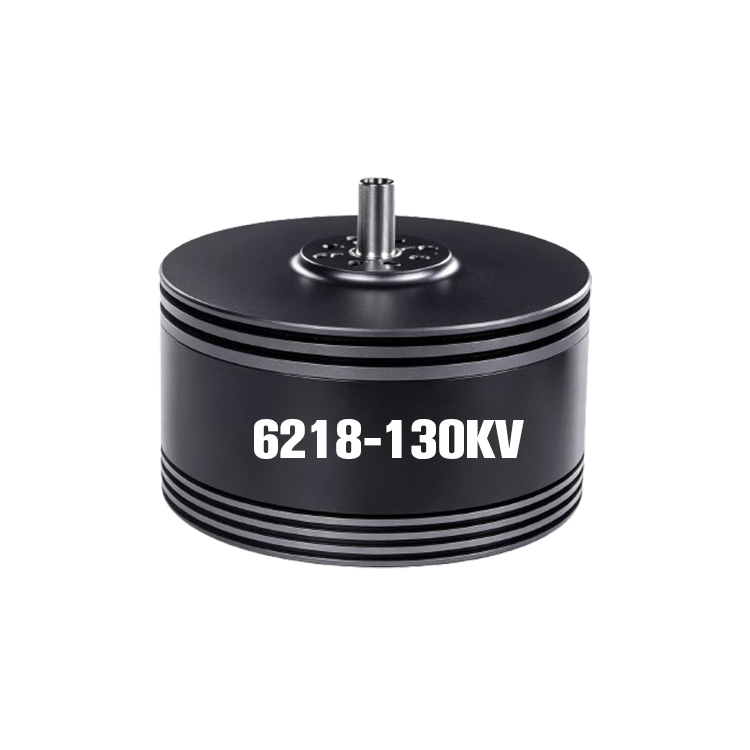
The BGS F6218 outrunner brushless motor is engineered for super large heavy-lift FPV drones. It boasts extreme torque and powerful stable thrust to carry heavy payloads, with optimized heat dissipation design that ensures consistent efficient power output during long-duration aerial photography and heavy-load flight missions.
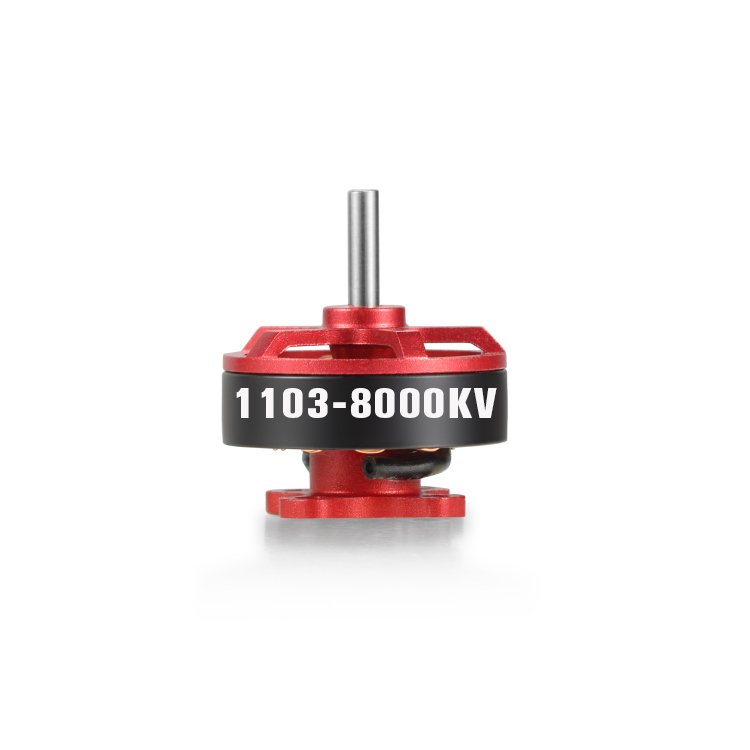
The 1103 outrunner motor is a compact, high-speed brushless motor designed for micro and mini FPV drones, particularly suited for ultra-lightweight racing drones, indoor freestyle platforms, and small cinematic UAVs. Its optimized stator dimensions provide a perfect balance between high RPM output and lightweight construction, enabling rapid throttle response, precise control, and efficient operation in small-frame drones.
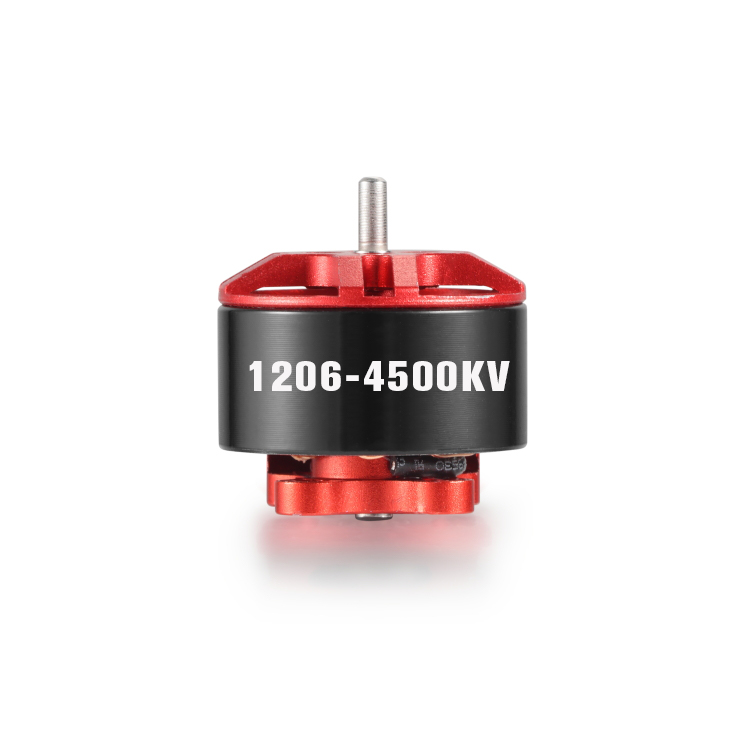
The 1206 outrunner motor is a high-efficiency brushless motor designed for micro and mini FPV drones, especially 2–3 inch racing drones, indoor freestyle builds, and lightweight cinematic UAVs. Its slightly taller stator compared to the 1204 motor provides enhanced torque, smoother throttle response, and improved power delivery, making it ideal for drones carrying small cameras or sensors.
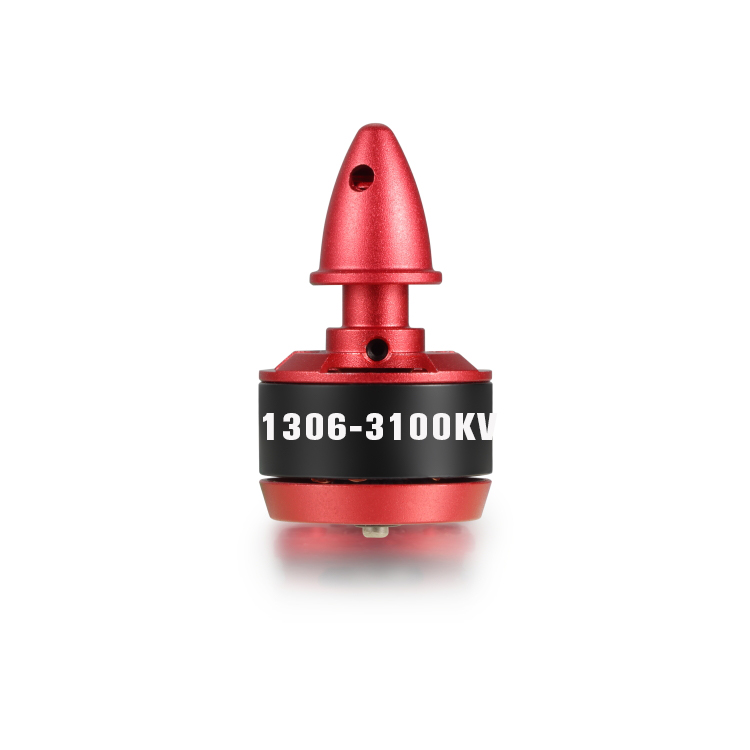
Three-phase brushless external rotor motor, 12N14P groove design, focusing on large pulling force, long endurance, low noise, suitable for heavy-duty long-distance cruising, professional film and television aerial photography.
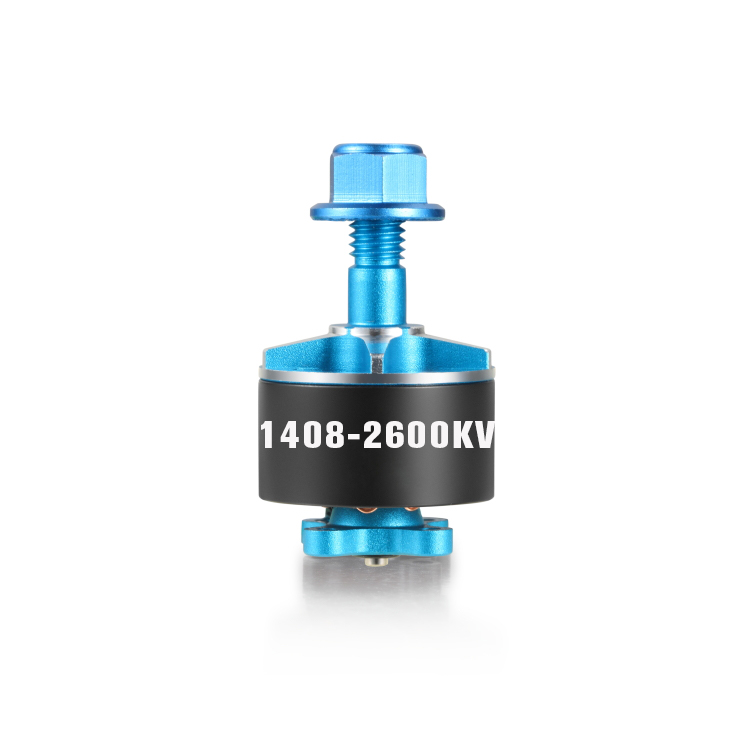
Three-phase brushless external rotor motor, 12N14P groove design, focusing on large pulling force, long endurance, low noise, suitable for heavy-duty long-distance cruising, professional film and television aerial photography.
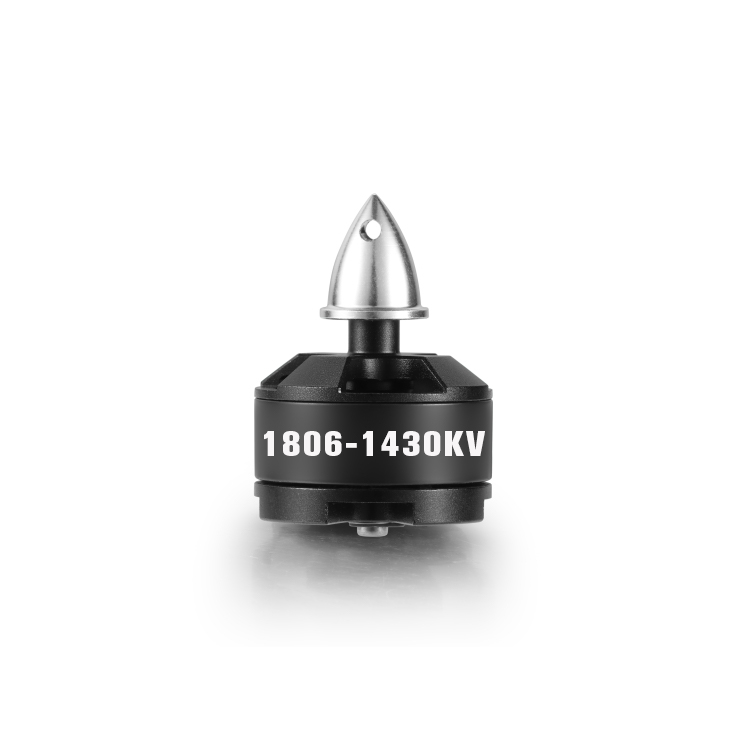
Three-phase brushless external rotor motor, 12N14P groove design, focusing on large pulling force, long endurance, low noise, suitable for heavy-duty long-distance cruising, professional film and television aerial photography.
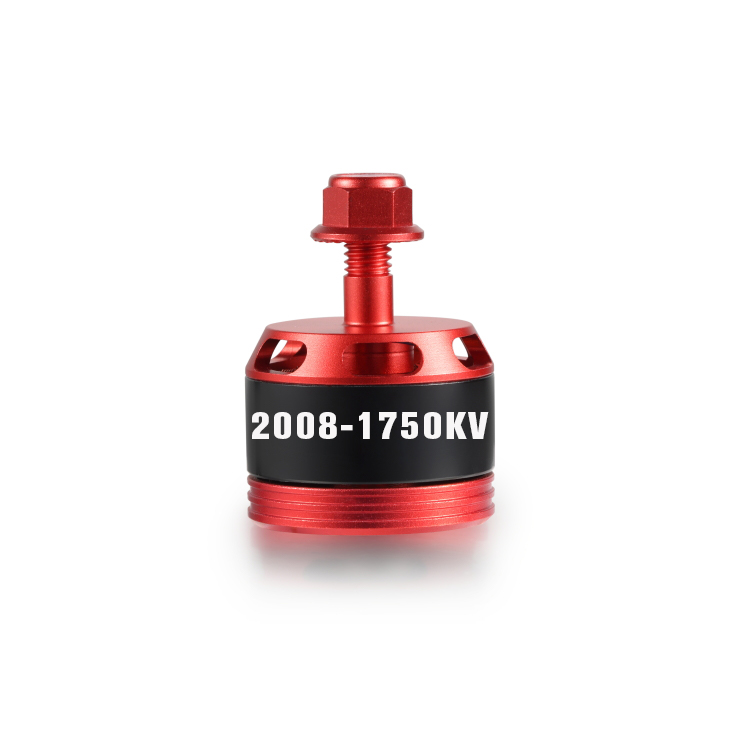
Three-phase brushless external rotor motor, 12N14P groove design, focusing on large pulling force, long endurance, low noise, suitable for heavy-duty long-distance cruising, professional film and television aerial photography.
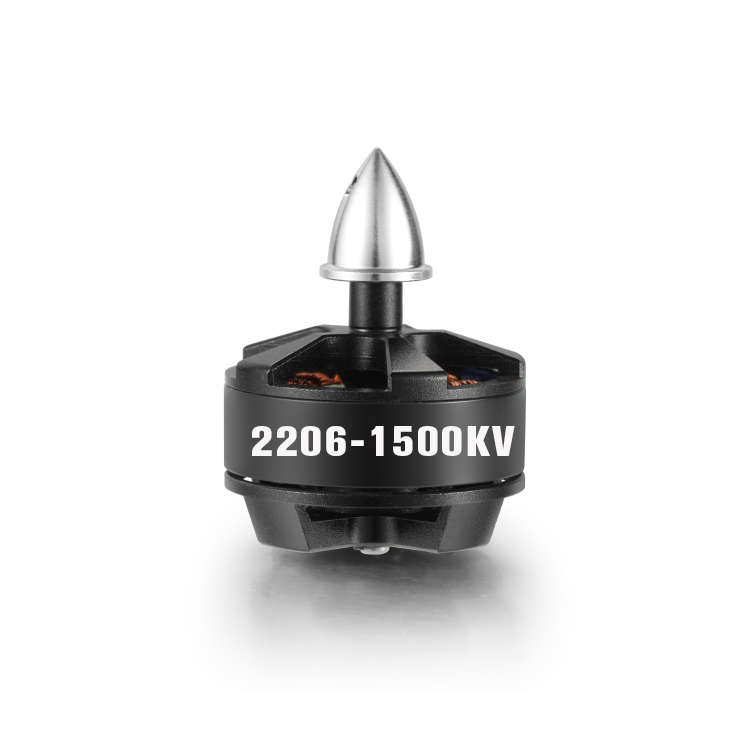
The 2206 outrunner motor is one of the most widely used brushless motors in the FPV drone industry, particularly favored in 5-inch racing drones and freestyle UAV platforms, where a balance between high RPM, responsive throttle control, and efficient thrust output is essential for high-performance flight.
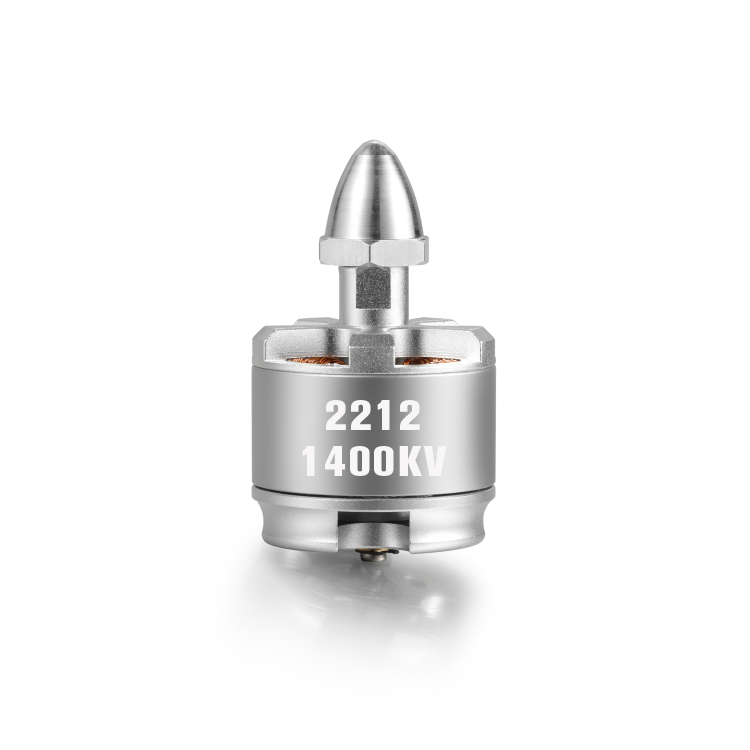
Three-phase brushless external rotor motor, 12N14P groove design, focusing on large pulling force, long endurance, low noise, suitable for heavy-duty long-distance cruising, professional film and television aerial photography.
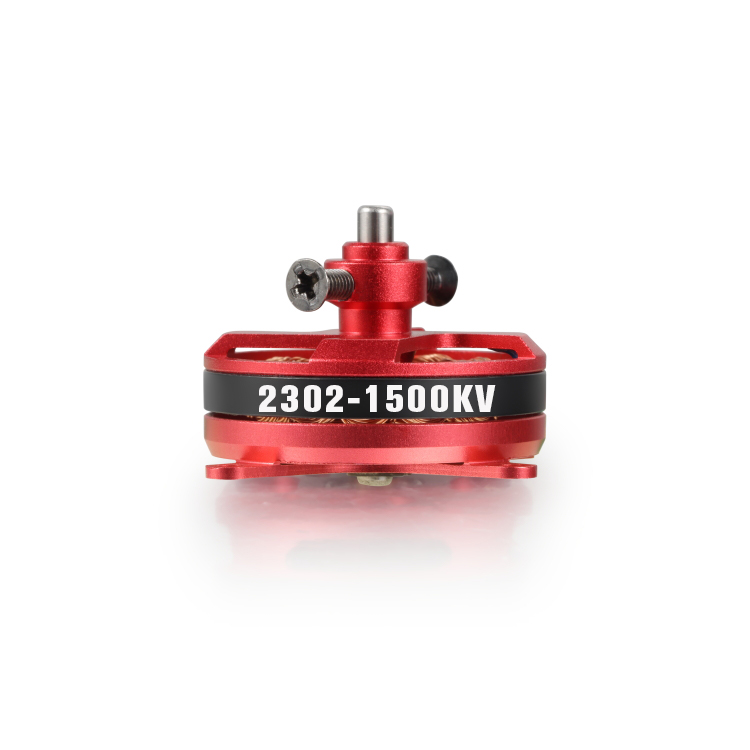
Three-phase brushless external rotor motor, 12N14P groove design, focusing on large pulling force, long endurance, low noise, suitable for heavy-duty long-distance cruising, professional film and television aerial photography.
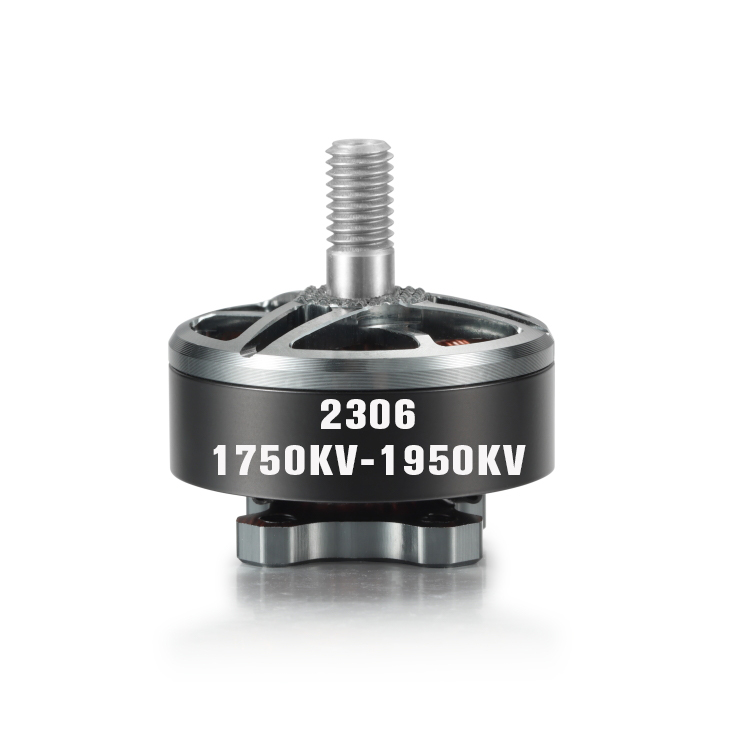
The 2306.5 outrunner motor is engineered for high-performance FPV drone platforms, offering an optimal balance between torque, responsiveness, and efficiency, which makes it particularly suitable for demanding freestyle flying, competitive racing, and cinematic applications that require both power and precision.
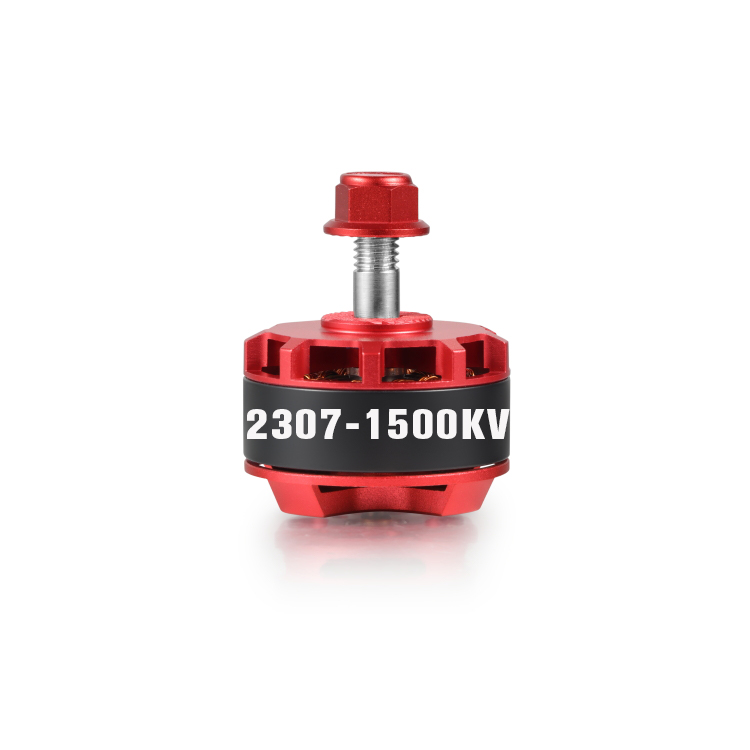
Three-phase brushless external rotor motor, 12N14P groove design, focusing on large pulling force, long endurance, low noise, suitable for heavy-duty long-distance cruising, professional film and television aerial photography.
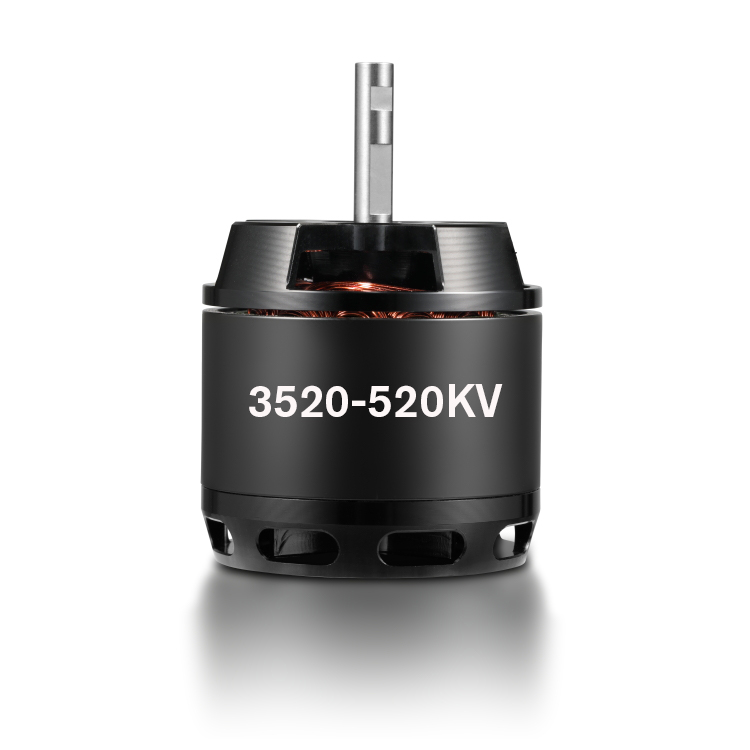
The BGS F3520 heavy-torque outrunner brushless motor is designed for medium-large heavy-lift industrial UAV, agricultural spraying drone, cargo delivery drone and aerial survey equipment. It comes with dual KV options (440KV & 500KV) to match different propeller configurations. Matched with 14-inch heavy-duty propeller, its maximum static thrust reaches 7.8kg, delivering stable performance during long-time continuous heavy-load operation.
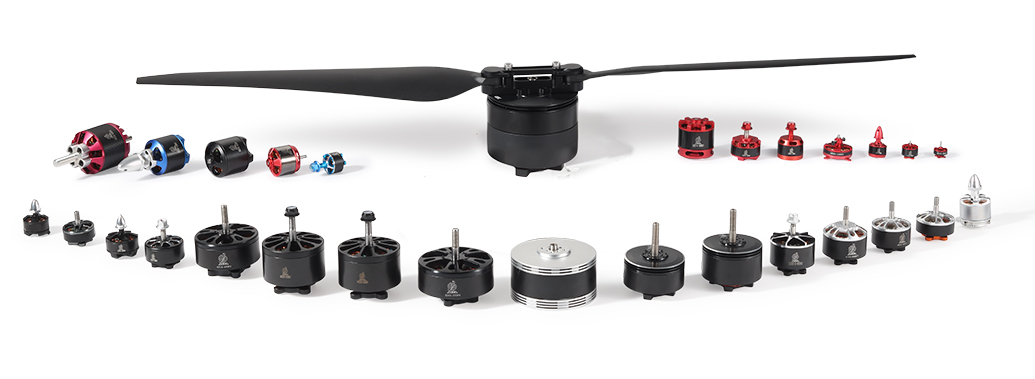 When you develop an FPV drone, the motor is not an independent component; it works together with the battery, propeller, ESC and overall aircraft design to determine thrust, efficiency, response and flight time. BG Motor provides brushless FPV drone motors for racing, freestyle, aerial photography, mapping, inspection, long-range and heavy-lift UAV applications, with different motor sizes and KV options to meet different propulsion requirements.
Instead of choosing a motor only by its KV value, you need to consider the complete operating conditions of your drone, including total weight, payload, propeller size, battery voltage, required thrust and expected flight time. Based on these parameters, BG Motor can help you evaluate a suitable motor configuration or develop a customized motor for your application.
The right FPV motor should be selected according to the complete propulsion system rather than one specification. A motor with a suitable KV value may still be unsuitable if its stator size, propeller, battery voltage or thrust capability does not match your drone.
For this reason, we recommend evaluating the motor from four main aspects: motor size and torque, KV and operating speed, battery and propeller matching, and the required thrust and efficiency. When these factors are properly matched, you can achieve a more balanced combination of power, flight response, efficiency and operating temperature.
The stator size has a direct influence on the motor's torque and power capability, so it should be considered together with the propeller and payload of your drone. Smaller motors are generally more suitable for lightweight FPV platforms where low weight and fast response are important, while larger motors can provide the additional torque required to drive larger propellers and carry higher payloads.
Therefore, when you know the drone weight and propeller size, you already have two important reference points for selecting the motor size.
KV represents the motor's no-load RPM per volt, but a higher KV value does not automatically mean better performance. When the same battery voltage is applied, a higher KV motor tends to operate at a higher speed, while a lower KV motor can be more suitable for larger propellers and higher-voltage systems.
The practical selection should therefore consider KV + battery voltage + propeller size + required thrust as one system. This approach helps prevent selecting a motor that operates outside the desired efficiency or current range.
For an FPV drone, the motor must ultimately provide enough thrust for the aircraft to perform its intended task. However, maximum power or maximum RPM alone cannot tell you whether a motor is suitable for your application, because thrust depends on the motor, propeller, battery voltage and operating point.
For engineering evaluation, it is more useful to compare actual test data such as RPM, current, input power, thrust and efficiency under a defined battery and propeller configuration. This allows you to compare motors based on real operating conditions rather than nominal specifications.
The following motor range covers different FPV and UAV applications. Because the actual performance of a motor depends on the selected KV, battery and propeller configuration, you should use the table as an initial selection guide and contact BG Motor when you need detailed test data for a specific combination.
| Motor Model | KV Options | Suitable Application | Typical Configuration | Thrust Reference |
|---|---|---|---|---|
| BG-F2807 | Various | Lightweight FPV UAV | Contact BG Motor | Contact us |
| BG-F2810 | Various | FPV UAV | Contact BG Motor | Contact us |
| BG-F2812 | Various | Larger FPV UAV | Contact BG Motor | Contact us |
| BG-F2814 | Various | FPV UAV | Contact BG Motor | Contact us |
| BG-F3008 | 1300KV | Aerial photography, mapping and inspection | 6S / HQ 8×4×3 | Up to 2782 gf |
| BG-F3110 | Various | FPV UAV | Contact BG Motor | Contact us |
| BG-F3115 | 900 / 1050KV | Larger FPV UAV | Contact BG Motor | Contact us |
| BG-F3120 | 500 / 700 / 1000KV | Larger UAV applications | Up to 12S | Contact us |
| BG-F3314 | Various | FPV UAV | Contact BG Motor | Contact us |
| BG-F4214 | 380 / 400KV | Larger UAV applications | 13-inch propeller | Up to 6 kg |
| BG-F4219 | Various | Larger UAV applications | Contact BG Motor | Contact us |
| BG-F4320 | Various | Heavy-duty UAV | Contact BG Motor | Contact us |
| BG-F4315 | Various | Larger UAV applications | Contact BG Motor | Contact us |
| BG-F4325 | 360KV | Heavy-lift UAV | Contact BG Motor | Up to 9 kg |
Actual motor performance depends on the motor configuration, battery voltage, propeller and operating conditions. Please contact BG Motor for detailed test data before final selection.
If you are selecting a motor for a commercial drone or developing a new UAV platform, product specifications alone are usually not enough to make a final decision. You need to understand how the motor performs under the actual battery and propeller conditions of your equipment.
BG Motor can provide performance test data for selected motor configurations, including battery voltage, propeller model, throttle, RPM, current, input power, thrust and efficiency. This information allows you to compare different motor configurations according to the actual operating point of your drone and helps you evaluate whether the motor can meet your requirements for thrust, power consumption and overall propulsion performance.
The BG-F3008 1300KV motor provides a practical example of how motor performance can be evaluated using actual test conditions. With a 6S battery and HQ 8×4×3 propeller, the tested configuration reached a maximum input power of 1269.2 W, maximum current of 52.62 A, maximum speed of 19,866 RPM and maximum thrust of 2782 gf, while peak efficiency reached 4.3 gf/W at 35% throttle.
These values should be evaluated together rather than separately, because the same motor can produce different results when the battery voltage, propeller or operating conditions change.