SEARCH
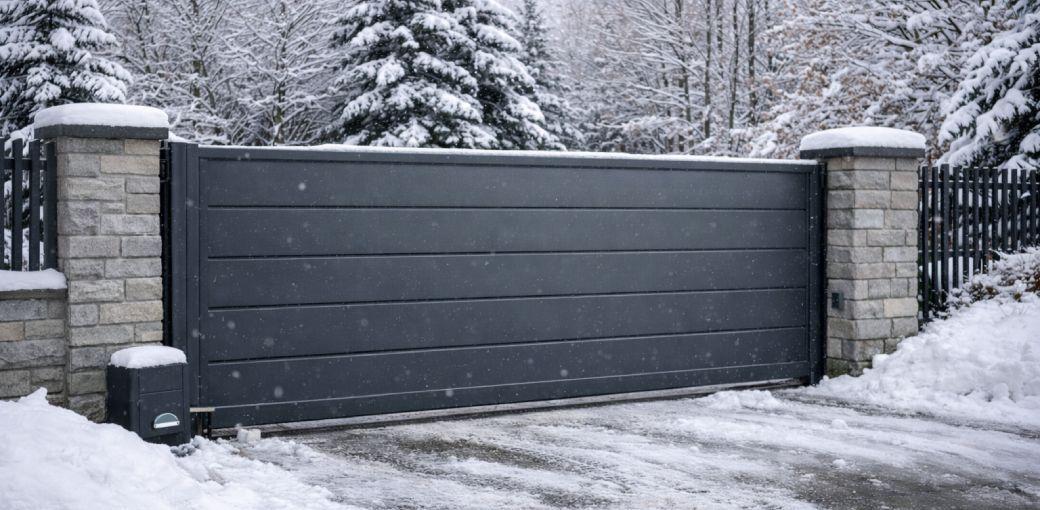
When winter arrives, low temperatures can create unexpected challenges for outdoor electrical equipment. Automatic doors may respond more slowly, parking barriers may struggle to open, and outdoor robots may experience unstable movement or startup failures.
For equipment powered by DC motors, these problems are not always caused by insufficient motor power. Cold temperatures can change the operating conditions of the entire drive system, including lubrication, mechanical transmission, electrical components, and power supply performance.
So, why do DC motors sometimes struggle in winter? And how can equipment manufacturers maintain reliable motor performance in low-temperature environments?
Let's explore the key factors and practical solutions.
DC motors are widely used in outdoor equipment such as automatic doors, parking barriers, AGVs, outdoor robots, and various industrial automation systems. These applications often require frequent starting, stopping, and load changes, making stable motor performance particularly important.
However, when temperatures drop below 0°C, especially in environments reaching -20°C or lower, several operating conditions may change.
Common winter-related motor problems include:
Difficult Starting: Increased mechanical resistance can make it harder for the motor to start, especially under heavy loads.
Unstable Operation: Changes in lubrication and power supply performance may affect motor speed and operating stability.
Increased Mechanical Noise: Cold grease and changes in bearing operating conditions may increase friction and noise during startup.
Electrical Performance Changes: Batteries, controllers, and electronic components may experience reduced performance outside their specified temperature ranges.
Condensation Risks: Temperature changes can cause moisture to accumulate inside motor housings and electrical enclosures.
Cold weather does not necessarily make a DC motor weaker. In many cases, the real challenge is that the entire drive system becomes harder to operate.
One of the most common challenges in cold-weather operation is increased lubricant viscosity.
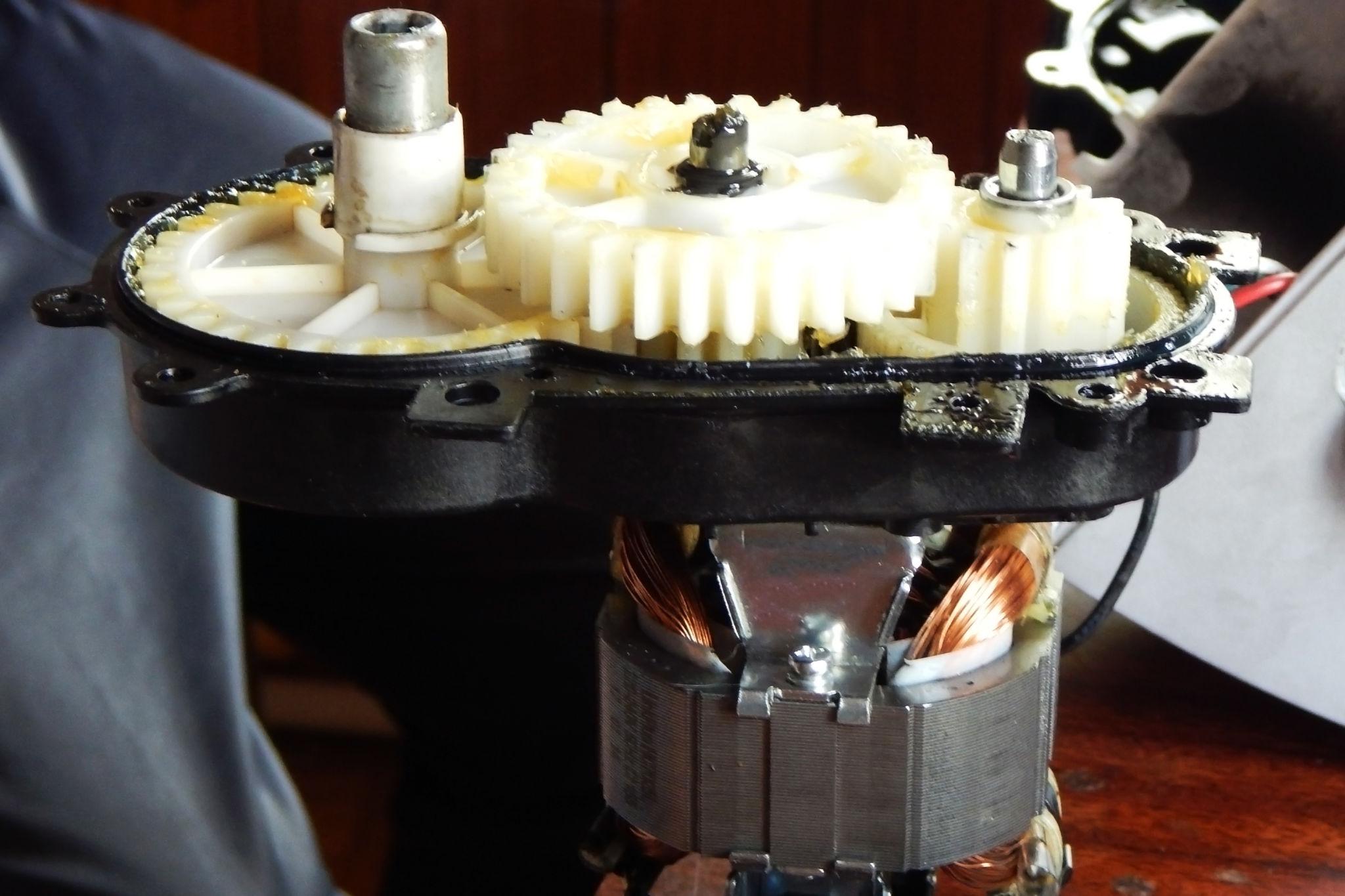
At low temperatures, grease inside bearings and gearboxes generally becomes thicker. This increases resistance during mechanical movement, especially when the motor starts after being idle for several hours.
For DC gear motors, the additional resistance can make it more difficult for the motor to drive the gearbox and connected load.
As a result, equipment may experience:
Higher starting torque requirements.
Increased startup current.
Slower acceleration.
Difficulty starting under heavy loads.
This is particularly important for automatic doors, parking barriers, and outdoor robots, where motors frequently start under mechanical load.
The key point: A motor that works perfectly at room temperature may not have enough starting torque to overcome the additional mechanical resistance in extremely cold conditions.
Cold temperatures can also affect the mechanical performance of bearings and gearboxes.
When lubricant flow becomes less effective, gears and bearings may experience increased friction during startup. Gear engagement noise may become more noticeable, while unsuitable lubrication can contribute to additional mechanical wear over time.
Temperature changes can also affect metal components, seals, and other mechanical materials through thermal contraction and changes in material properties.
For DC gear motors, reliable winter operation therefore depends on more than motor torque. The gearbox structure, bearing quality, lubrication, and sealing materials must also be suitable for the intended operating temperature.
Mechanical components are not the only parts affected by winter conditions. The electrical system also needs attention.
Several components may experience performance changes at low temperatures:
Motor Controllers: Capacitors, power devices, and other electronic components have specified operating temperature ranges. Their characteristics may change outside normal conditions.
Batteries: Low temperatures can increase battery internal resistance and reduce available discharge capacity, potentially causing voltage drops during motor startup.
Position Sensors: Hall sensors, encoders, and their associated circuits must operate reliably within the expected temperature range.
Wiring and Connectors: Some insulation and sealing materials may become less flexible in cold conditions, affecting long-term reliability.
For battery-powered outdoor robots and AGVs, the power supply deserves particular attention. Even if the motor itself is suitable for low-temperature operation, insufficient battery output may still prevent reliable startup.
Moisture is another potential problem that is often overlooked in winter.
When outdoor equipment moves between environments with different temperatures, or when a cold motor is exposed to warmer, humid air, condensation may form inside the motor housing or electrical enclosure.
Over time, accumulated moisture can increase the risk of:
Reduced winding insulation reliability.
Corrosion of metal components.
Oxidation of electrical connections.
PCB and controller failures.
For outdoor equipment that operates intermittently, moisture protection and condensation control are just as important as low-temperature startup performance.
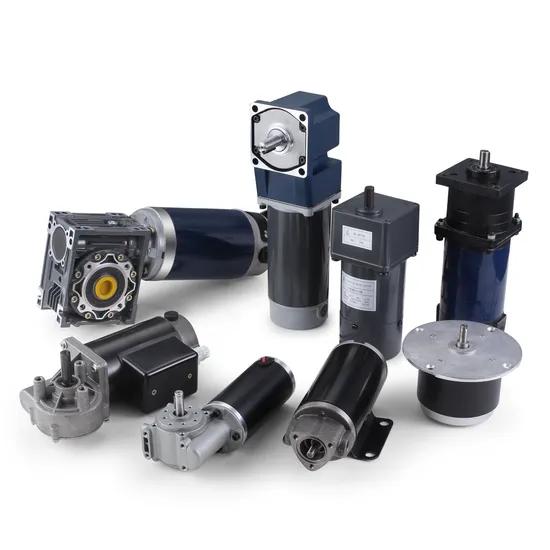 Selecting a DC motor for winter applications requires evaluating the entire drive system rather than focusing only on rated power or nominal torque.
Here are four important considerations for equipment manufacturers.
When selecting a motor, engineers should consider both normal operating torque and the additional resistance that may occur during cold starts.
A suitable motor should provide enough starting torque to overcome the combined resistance of the mechanical load, gearbox, bearings, and low-temperature lubrication.
Key parameters to evaluate include:
Maximum starting load torque.
Gearbox starting resistance.
Motor rated torque and peak torque.
Starting current and power supply capacity.
For applications such as automatic doors, parking barriers, and outdoor robots, testing the complete motor and gearbox assembly at the target minimum temperature is recommended.
For DC gear motors, lubricant selection directly affects startup performance and long-term mechanical reliability.
Standard grease may become too viscous in extremely cold environments, increasing the resistance of gears and bearings.
When selecting lubrication, engineers should consider:
Low-temperature viscosity characteristics.
Starting friction and lubrication performance.
Compatibility with gears, bearings, and sealing materials.
Long-term lubrication stability.
The lubricant should be selected according to the actual operating temperature rather than its performance under normal room-temperature conditions.
A reliable low-temperature drive system requires compatible electrical components.
Before selecting a DC motor assembly, check the operating temperature specifications of the motor controller, capacitors, Hall sensors, encoders, connectors, and other electronic parts.
For battery-powered applications, battery performance should also be evaluated under cold conditions to ensure sufficient voltage and current during startup.
For equipment operating in extremely cold environments, additional thermal protection may be necessary.
Depending on the application, possible solutions include:
Motor preheating systems.
Insulated motor housings.
Temperature monitoring systems.
Low-temperature startup control strategies.
These measures can help reduce the impact of extreme temperatures and improve startup reliability. However, the final solution should be determined according to the equipment structure, power consumption, and actual operating environment.
Besides choosing the right motor, proper operation and maintenance can help reduce winter-related failures.
Before Starting:Check whether the motor and gearbox rotate normally. Look for abnormal mechanical resistance, lubricant leakage, or signs of moisture accumulation.
During Startup:Monitor starting current and acceleration. If the motor takes unusually long to start or draws excessive current, investigate possible mechanical resistance or insufficient power supply.
During Operation:Pay attention to unusual noise, vibration, and temperature changes. These may indicate lubrication problems, bearing issues, or excessive mechanical loading.
After Shutdown:For equipment exposed to changing temperatures, take appropriate measures to reduce moisture accumulation and condensation inside electrical enclosures.
Regular Maintenance:Inspect gearbox lubrication, seals, electrical connections, and protective components regularly. Replace unsuitable or deteriorated lubricants when necessary.
For certain applications, a gradual loading strategy can also be considered. Instead of immediately applying the maximum load, the control system can allow the motor to start and stabilize before increasing the load, provided this is compatible with the equipment's operating requirements.
Winter performance depends on more than the motor itself. Motor structure, gearbox configuration, lubrication, electrical components, and operating conditions all contribute to the reliability of the complete drive system.
BG Motor provides DC motors, DC gear motors, and BLDC geared motors for a wide range of industrial and outdoor applications, including automatic doors, parking barriers, AGVs, and mobile robots.
With customized motor solutions, BG Motor can help customers evaluate key application requirements, including:
Voltage and Power: Matching motor electrical specifications to the equipment's power supply.
Torque and Speed: Selecting suitable motor and gearbox combinations according to load requirements.
Gearbox Configuration: Evaluating transmission structures and output performance for different applications.
Operating Environment: Considering temperature, protection, lubrication, and sealing requirements.
Customized Design: Adjusting motor dimensions, shafts, wiring, and other specifications according to equipment needs.
For projects involving extreme cold, customers should provide the expected minimum operating temperature, startup load, working cycle, and installation environment. These details help determine whether additional low-temperature lubrication, sealing improvements, or thermal protection measures are required.
Winter reliability starts with the right motor design. By considering starting torque, lubrication, electrical components, and moisture protection during the selection process, equipment manufacturers can improve DC motor performance and maintain stable operation even in challenging cold-weather environments.
Looking for a DC motor solution for your outdoor equipment? Contact BG Motor to discuss your application requirements and customized motor options.
 BACK
As a “barometer” of China's foreign trade, the 139th Canton Fair (April 2026…
The 2nd Advanced Motor Materials Innovation Forum has officially opened, as indu…
Global Electric Motor Industry UpdateRecently, the global electric motor industr…
BG Motor Resumes Full Production – February 24, 2026BG Motor has officially resu…
Chinese New Year Holiday Notice (2026)Dear Valued Customers and Partners,To cele…
With the continuous upgrading of global manufacturing, the rapid growth of new e…