SEARCH
When you design equipment for the US or European market, choosing the correct DC motor voltage is not only a technical issue. It directly affects safety compliance, efficiency, system cost, and long-term reliability.
You need to match:
Local power grid standards
Your power supply structure
Application load characteristics
Safety certification requirements
Below is a practical DC motor voltage selection guide for the US and European markets.
Residential voltage: 110V–120V AC / 60Hz
Industrial voltage: 220V–240V AC / 60Hz
Most DC systems convert AC to DC through power supplies.
Common DC bus voltages:
12V DC
24V DC
48V DC
90V DC
180V DC (after rectified 120V AC)
Residential voltage: 220V–240V AC / 50Hz
Industrial voltage: 380V–400V AC / 50Hz
Common DC voltages after rectification:
24V DC
48V DC
110V DC
310V DC (after rectified 220V AC)
Best for low-power and battery-powered equipment.
Typical applications:
Smart cleaning robots
Small AGV trolley systems
Automatic doors
Medical small devices
Why choose 12V or 24V?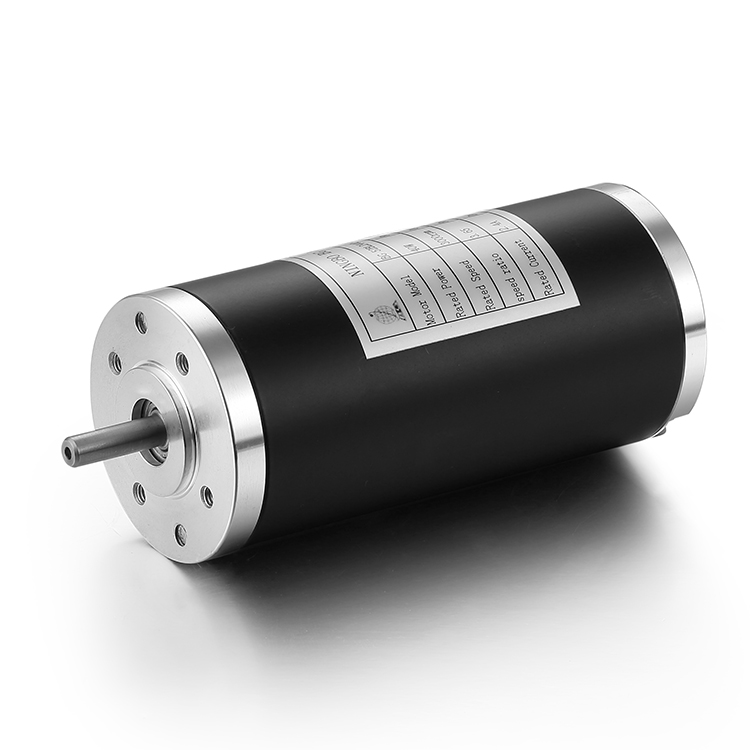
Safe voltage range
Easy battery integration
Lower insulation requirements
Simple certification
For US and EU markets, 24V DC is the most popular industrial low-voltage standard.
If your equipment requires mobility, lithium battery systems, or low-risk operation, 24V is usually the safest choice.
Best balance between safety and high power.
Typical applications:
AGV robots
Intelligent logistics systems
Electric lifting equipment
Medium-power cleaning machines
Why choose 48V?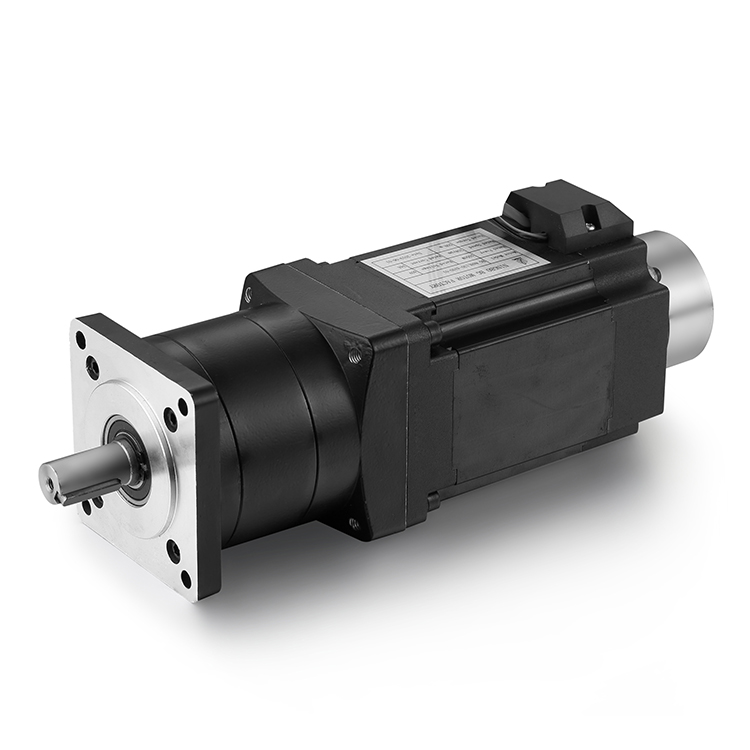
Lower current than 24V at same power
Reduced copper loss
Higher efficiency
Still within safe extra-low voltage range in many standards
For engineers who need high torque but want to avoid high-voltage certification complexity, 48V is a very good solution.
Used when powered directly from AC rectification.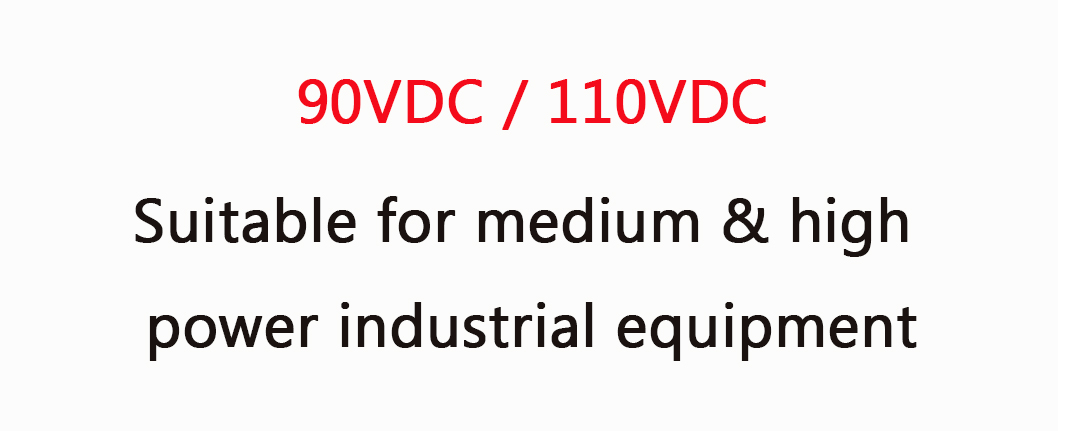
Common in:
Industrial equipment in US
Conveyor systems
Industrial fans
Medium-power automation systems
Advantages: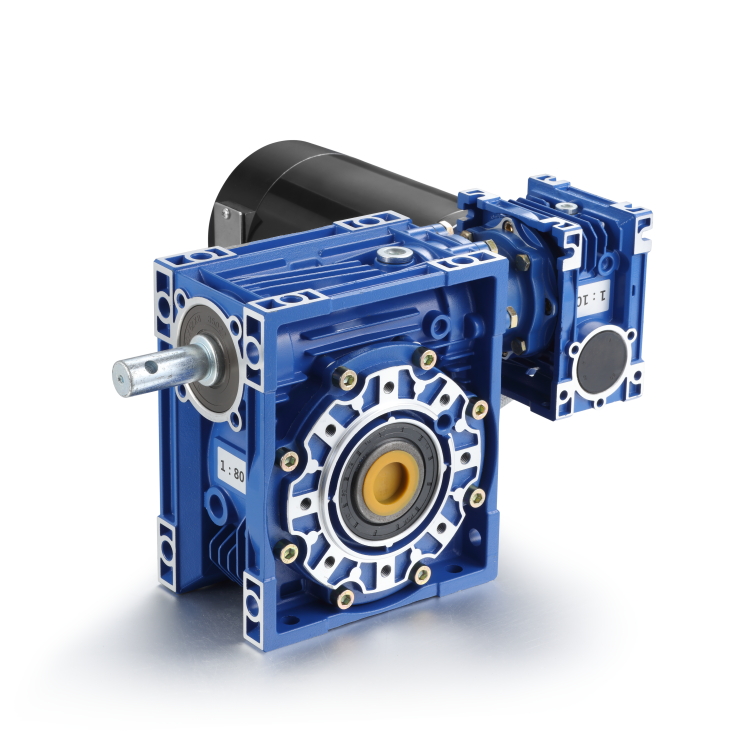
Smaller current
Higher efficiency under load
Suitable for continuous duty
But:
Higher insulation requirement
More strict safety compliance
If your equipment connects directly to 120V AC in the US, 90V or 110V DC systems can reduce power conversion complexity.
For high-power industrial equipment.
Common in:
Industrial vacuum systems
Heavy-duty automation
Large intelligent cleaning systems
Industrial pumps
In Europe, 220V AC rectified becomes about 310V DC.
Advantages: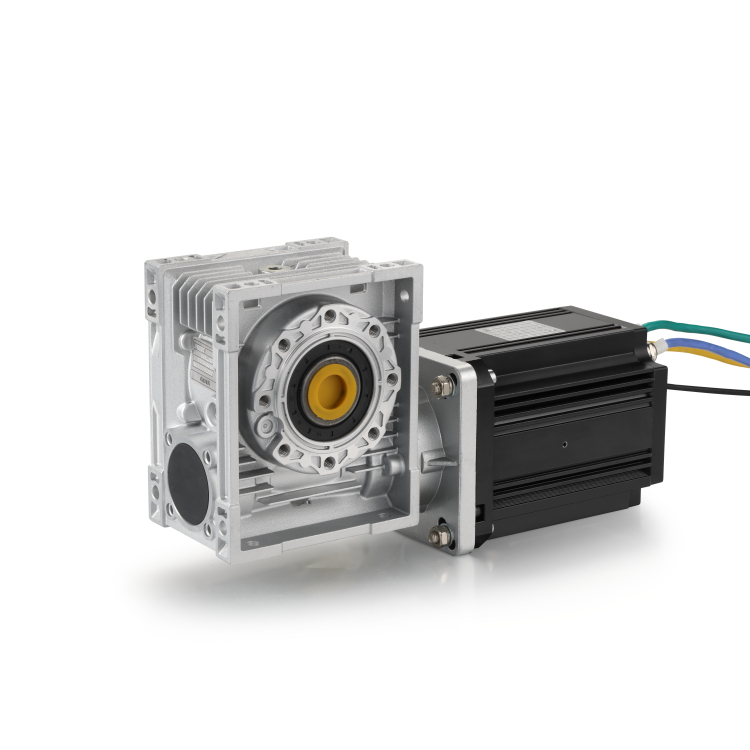
Very low current
High efficiency at high power
Smaller cable size
Challenges:
High insulation grade required
Strict EMC compliance
Higher safety risk
This voltage level is recommended only when power demand is high and equipment is stationary.
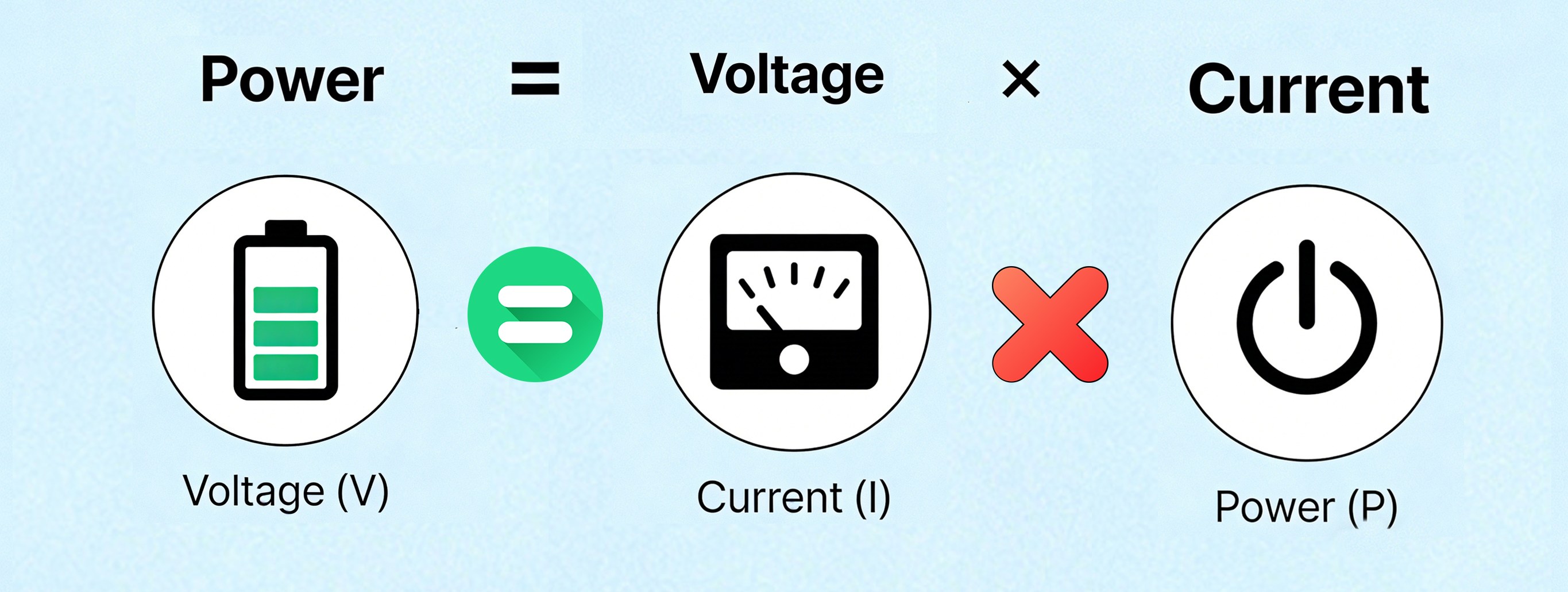
Power = Voltage × Current
If voltage is low:
Current increases
Copper loss increases
Heat increases
If voltage is high:
Insulation cost increases
Safety requirements increase
You must balance thermal design and certification cost.
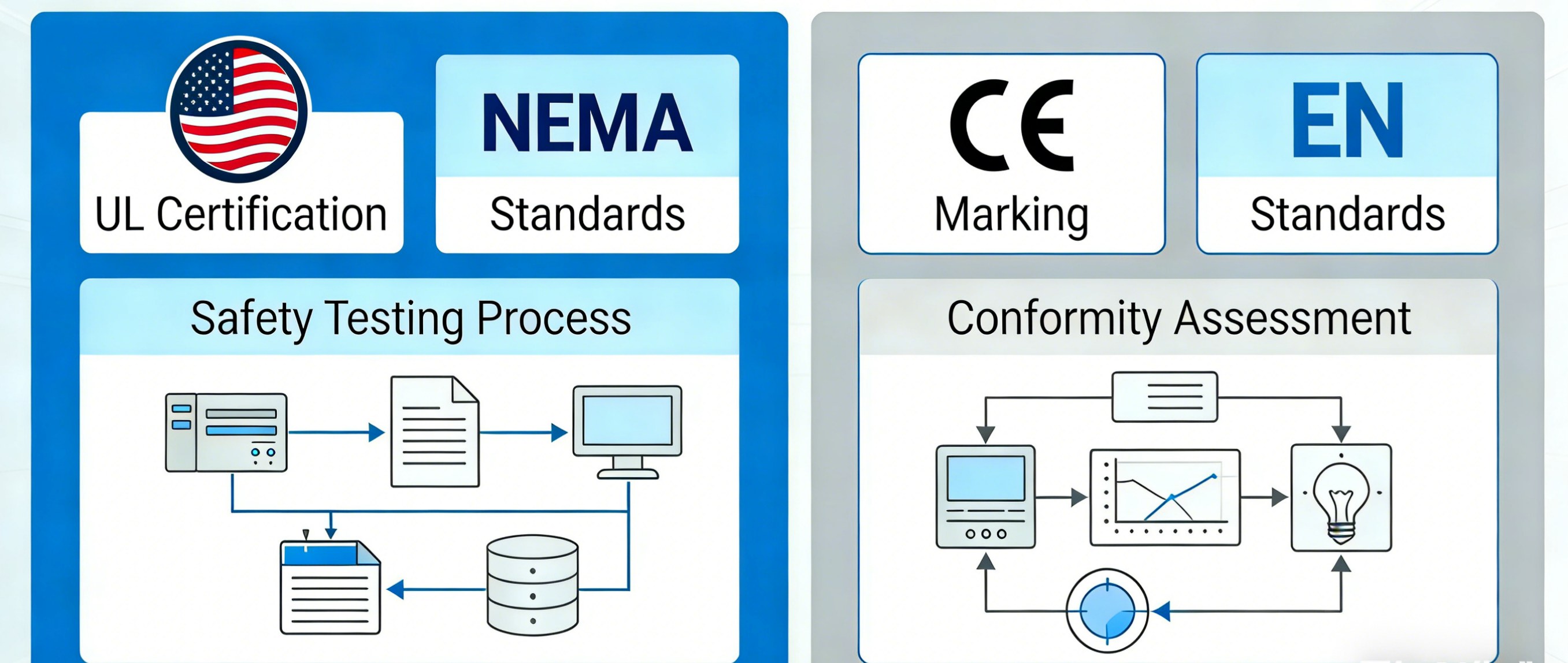
For US market:
UL compliance
EMC standards
For EU market:
CE
RoHS
Lower DC voltage systems are easier to pass safety testing.
If your product targets household users, low-voltage DC is strongly recommended.
Ask yourself:
Is it battery-powered? → 24V / 48V
Is it continuous industrial operation? → 90V / 180V / 310V
Is it mobile equipment? → 24V / 48V
Is it high-power stationary equipment? → 180V / 310V
For most smart equipment exported to US and Europe:
| Application Type | Recommended DC Voltage |
|---|---|
| Robot / AGV | 24V or 48V |
| Smart vacuum cleaner | 24V / 48V / High-speed AC motor |
| Industrial conveyor | 90V / 180V |
| Lifting equipment | 48V / 110V |
| Medical device | 24V |
| Heavy industrial automation | 180V / 310V |
Choosing too low voltage for high-power system → overheating
Choosing too high voltage for small equipment → unnecessary certification cost
Ignoring power supply compatibility in target market
Not considering long-term thermal performance
At BG Motor, we provide customized DC motor voltage solutions:
Brushless DC Motor:
DC6V–310V
5W–20KW
Speed up to 100,000 RPM
DC Brushed Motor:
DC3V–220V
1W–1000W
We help you:
Calculate load torque
Match voltage to real application
Optimize efficiency
Control noise ≤ 40dB
Ensure long service life
Meet CE, ROHS, CCC certification
If you are developing equipment for US or European markets, you can share:
Input power source
Rated load torque
Working duty cycle
Size limitation
Target market
Our engineers will recommend the most suitable DC voltage solution for your product.
BG Motor
technology@China-bgmotor.com
http://www.china-bgmotor.com/
Drive the world better. Provide you with the most stable and efficient motor solution.
 BACK
BACK
As a “barometer” of China's foreign trade, the 139th Canton Fair (April 2026…
The 2nd Advanced Motor Materials Innovation Forum has officially opened, as indu…
Global Electric Motor Industry UpdateRecently, the global electric motor industr…
BG Motor Resumes Full Production – February 24, 2026BG Motor has officially resu…
Chinese New Year Holiday Notice (2026)Dear Valued Customers and Partners,To cele…
With the continuous upgrading of global manufacturing, the rapid growth of new e…